One problem solved a day is enough.
I’m Tejus R Meda, a UX designer in Newcastle upon Tyne. I work at Ultramed, where the software I design sits between a patient and their surgery. That puts a lot of weight on small decisions, and it’s the part of the job I like most.
I came to design from a lecture hall
For seven years I taught structural engineering at an architecture college in Bangalore. I liked the teaching. What I couldn’t stand was watching the department lose entire afternoons to attendance registers, mark sheets and forms that got typed out three separate times.
So I built them a college management system. Nothing glamorous: admissions, attendance, internal marks, all in one place. The software wasn’t the part that stayed with me. It was watching the office’s whole week change shape because of it. That’s when it landed that what I actually wanted to do was shape how software feels to the person stuck using it at 4pm on a Friday.
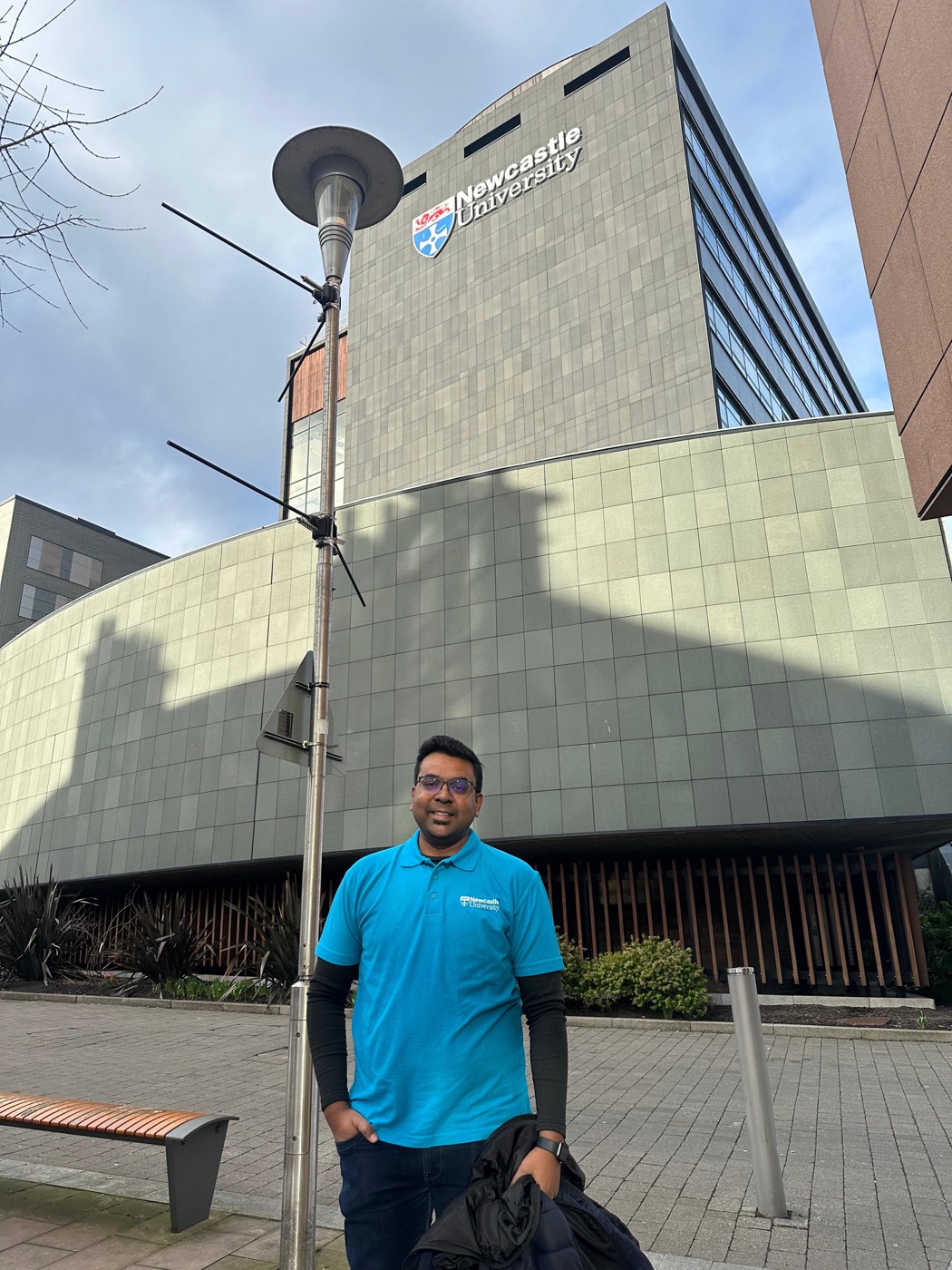
I moved to Newcastle in 2023 for an MSc in Human–Computer Interaction, which gave that instinct a method: research, testing, and the discipline to check whether the thing I made helped anyone or just looked like it did. I’ve been at Ultramed since.
Technology earns its place by taking something off someone’s plate.
In healthcare that stops being abstract quickly. Every flow I design is somebody’s pre-op assessment, and there’s a person on the other end of it with a surgery date. If what I ship today makes one of those days easier, that was a good day’s work.
What actually happens between the ask and the ship
I’m a designer who learned to work with AI rather than around it. Concretely, this is how a feature goes from a vague request to something living in the product:
-
Scope the ask
Pull it apart until I know what’s really being solved and for whom. Paper and pencil, most of the time.
-
Try variations in Claude
I generate a few directions and click through them. It’s cheaper to throw away a working prototype than to defend a Figma file.
-
Take it to the clinicians
Our subject matter experts are the closest thing to end users I have in the building. They poke holes, I take notes, and I go back to step two.
-
Draw it properly in Figma
Once the shape settles it becomes real components, built against our design system rather than next to it.
-
Build it for real
Claude Code and VS Code, into the actual product, so I can see how it behaves alongside everything else.
-
Branch, PR, revise
Developers tell me what won’t hold up. There’s almost always one more round after that, and it’s usually the one that matters.
What I’m like on a team
- I’m fine in the fog. An unclear brief is the interesting part. I’ll read what exists and find whoever knows, and if nobody’s free I’ll make an assumption, design against it, then bring it back to be corrected. Moving beats waiting.
- I adapt fast. Teaching, ERP, academia, healthcare startup: the context keeps changing and I’ve got used to picking up a new domain quickly and being useful in it early.
- I notice things. The odd spacing, the broken pattern, the label that’ll confuse someone at 2am. Catching those has been my most useful habit since the start of my career.
- I’m easy to reach. No ceremony required. Ask me where something’s at and I’ll show you the actual thing.
Where I’ve worked
-
Mar 2025 – Present
UX DesignerUltramed · healthcare software · UK
-
Sept 2023 – Dec 2024
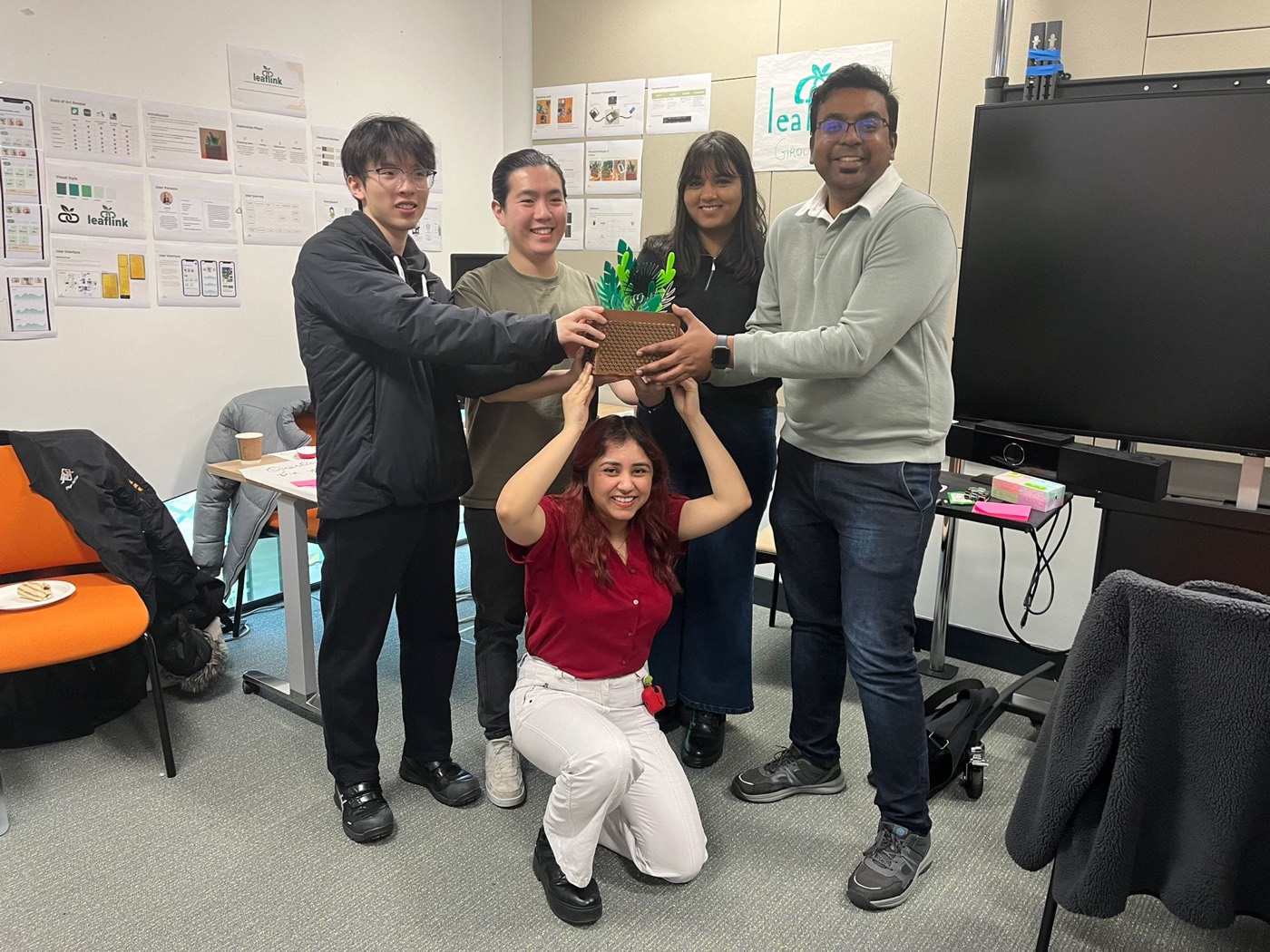
MSc Human–Computer InteractionNewcastle University · projects incl. LeafLink & FoodFob
-
Aug 2016 – Apr 2023
Lecturer & institutional systemsBMS College of Architecture · taught structural engineering, built the College Management System
The rest of it
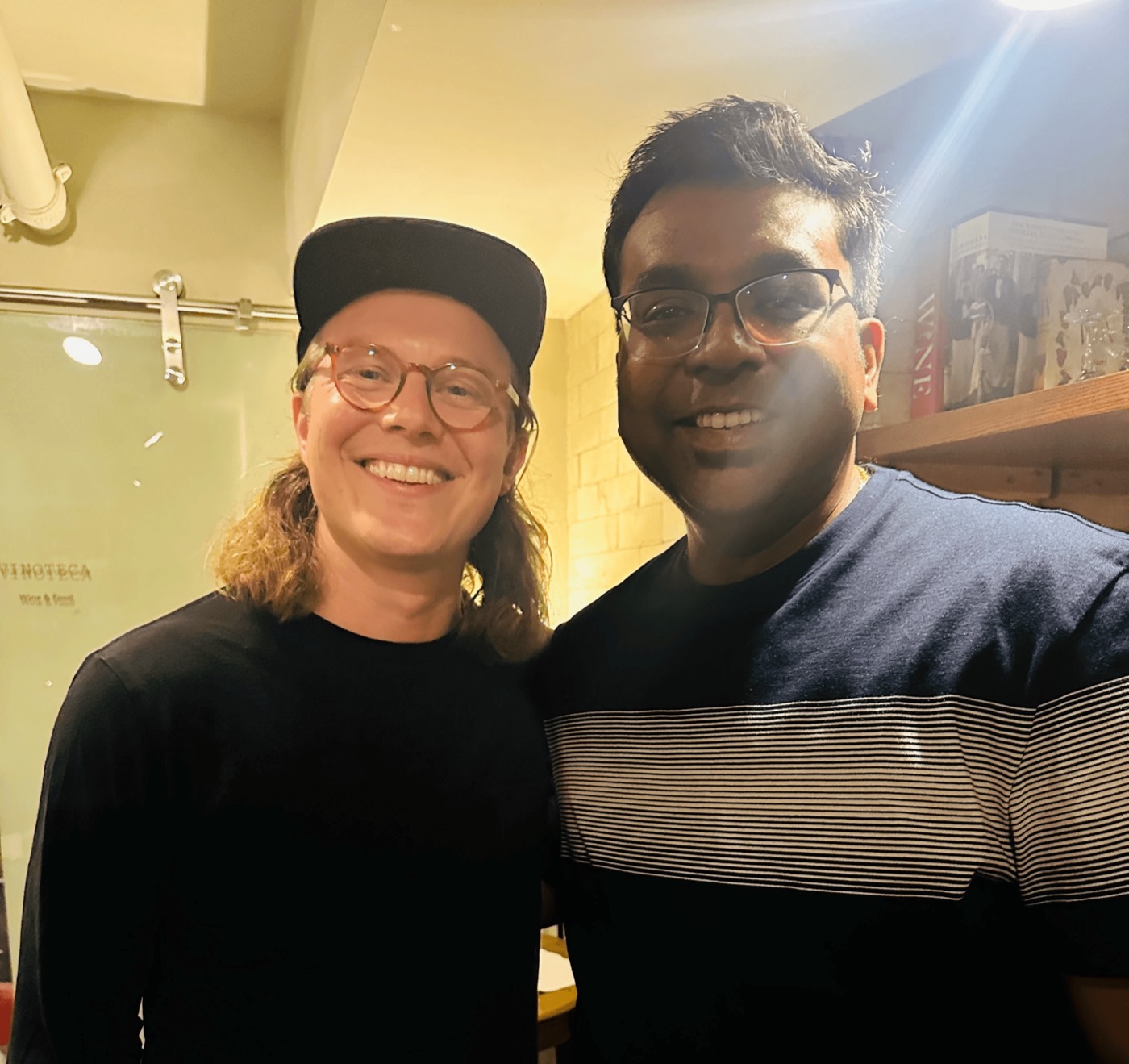
My wife and I travel as often as we can get away with, ten countries so far, and we’re the sort who’d rather find where people actually eat than tick off a landmark. I’ll take an experience over an object nearly every time. The exception is tech, where I have opinions about monitors, keyboards and cameras that nobody asked for.
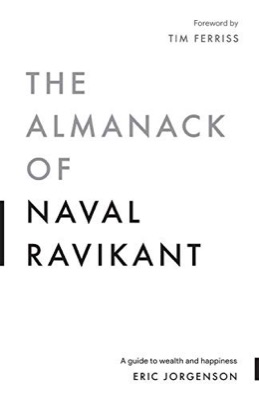
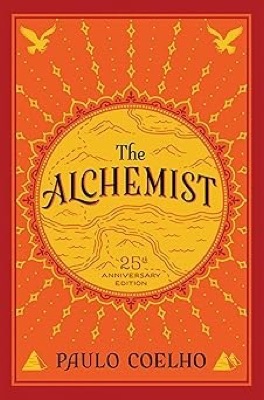
I read mostly non-fiction, the self-improvement end of the shelf, and I watch a lot of films. Both do the same thing for me, which is borrowing how someone else thinks for a couple of hours.
 img/about/natter-con.jpg
 img/about/hobby-1.jpg
 img/about/hobby-2.jpg
 img/about/hobby-3.jpg
 img/about/hobby-4.jpg
 img/about/hobby-5.jpg
What I keep coming back to
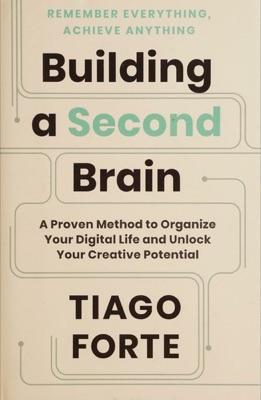
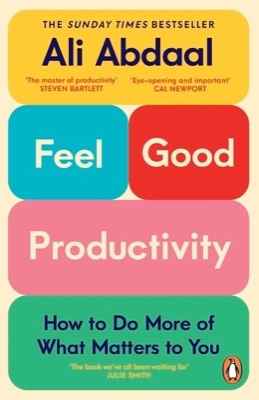
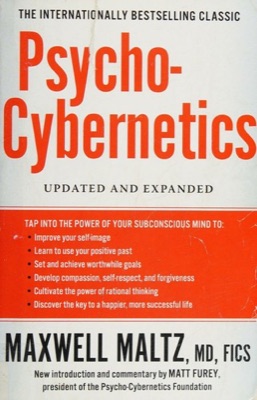
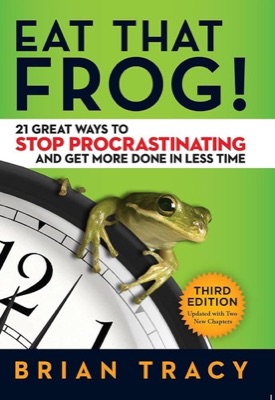
Still here?
Then we should probably talk. I’m always up for a conversation about healthcare, design, or where to eat in a city you’ve just landed in.